


How Can Reiki Support Emotional And Physical Healing?
Updated: Feb 10
Reiki can assist with emotional and physical healing by applying light or no touch to help alleviate stress and rebalance the body. Many people find that Reiki brings calmness and can help ease worry, sadness, and even pain. For others, it might serve as a subtle catalyst to allow the body to do what it does best, rest and heal. Reiki sessions require no specialized equipment or lengthy preparation, making them adaptable for many lifestyles. Different cultures use Reiki with other care or as self-care. There’s not a lot of research, but many users report improved mood and decreased pain following sessions. Below you’ll find a deeper dive into Reiki and how it can be used for emotional and physical healing.
Key Takeaways
Reiki provides a comprehensive method of healing through tender contact to aid in the flow of universal energy, promoting healing for emotional and physical ailments among all people.
By targeting energy blockages, relaxation, and perspective shifts, reiki has the potential to support emotional and physical healing by decreasing stress, balancing emotions, and enhancing the body’s natural healing capacities.
Every reiki encounter is personal, promoting introspection and self-exploration. Consistent appointments aid in sustaining emotional and physical equilibrium in the long run.
Reiki can complement medical treatments through its growing acceptance in hospitals and clinical trials showing potential benefits for pain, anxiety and patient well-being.
Self-Reiki, coupled with intention-setting, enables you to be an active participant in your healing process and supports sustained wellness and spiritual growth.
To maximize the benefits, readers should find experienced practitioners, communicate openly during sessions, and complement Reiki with holistic health habits.

What Is Reiki?
Reiki is an energy healing technique that began in Japan at the turn of the 20th century, pioneered by Mikao Usui. The name “Reiki” is derived from two Japanese words: “Rei,” which means universal or spiritual, and “Ki,” meaning life force energy. Fundamental to Reiki is the concept that the universal life force, Ki, permeates every living being. When this energy is unsettled, the body’s ability to heal itself is compromised. During a private Reiki session, the recipient typically lies fully clothed while the practitioner employs light touch, placing their hands on or above the body. This non-invasive complementary therapy aims to rebalance the energy systems, often leaving individuals feeling more relaxed and calm. Research indicates that it can alleviate pain, anxiety, and aid recovery for certain ailments, highlighting its effectiveness as a holistic therapy option for emotional blockages and stress reduction.
Developed in Japan in the early 1900s
Works with universal life force energy (Ki)
Focuses on restoring balance for natural healing
Uses gentle touch, hands-on or hands-above techniques
Supports relaxation, emotional relief, and pain management
Has a spiritual aspect, seeking to unite mind, body, and spirit.
Universal Energy
Universal energy is at the heart of Reiki therapy. Reiki practitioners believe this energy exists in all living things, flowing through you and sustaining all aspects of well-being. When this energy’s flow is blocked or unbalanced, it can lead to discomfort or illness. Reiki sessions center around this energy connection, where practitioners seek to direct it to restore balance. This connection is believed to be key to true healing, addressing both emotional and physical challenges. It is this energy that Reiki taps into, helping others feel calm, clear, and more in tune with themselves.
Gentle Touch
Reiki employs a hands-on healing technique, where skilled Reiki practitioners lightly place their hands on or above the body. This gentle touch is never aggressive, assisting individuals in calming down almost immediately. For many people, this soft touch helps with pain relief and promotes stress reduction. The power of touch in Reiki therapy calms nerves and opens up a peaceful, safe space. In this alternative healing practice, practitioners seek to assist the body’s healing potential and calm the mind through energy transfer.
Personal Journey
Each private Reiki session is a unique experience that encourages individuals to be open and reflect on their thoughts and emotions throughout the process. Self-discovery is a significant aspect of Reiki therapy, as each person's healing journey varies. Some may experience shifts in mood or improved stress reduction, while others may find renewed vigor or a sense of calm. Over time, regular Reiki healing sessions can help develop emotional resilience and support individuals in navigating life’s challenges with greater grace.
How Reiki Heals
Reiki is a form of emotional and physical healing where a universal energy, called ki, is directed through the hands of a skilled Reiki practitioner. This energy reportedly circulates throughout the body, aiding in detoxification and enhancing health benefits. Studies do show promise in managing stress reduction, pain, and anxiety, with each patient’s experience varying.
1. Releasing Blockages
Reiki therapy serves to dislodge emotional blockages like grief, rage, fear, or old trauma. These emotional knots often remain in the body and manifest as physical symptoms, such as tension headaches, digestive problems, or chronic fatigue. By focusing on these stuck points, a skilled Reiki practitioner can help identify where energy is not flowing well. These ‘blocks’ are areas where energy is stuck, leading to physical pain or emotional challenges like depression and anxiety. Over time, regular Reiki treatments can facilitate this energy transfer, promoting continued emotional and physical healing.
2. Calming Nerves
Most people come to Reiki therapy because of how it calms their nervous system. These sessions induce relaxation, which can lead to significant stress reduction and anxiety relief. This restoration to deep relaxation can help stabilize emotions, allowing individuals to better handle day-to-day mental stresses. I have several clients who tell me they feel lighter and more at peace after a session, which can certainly affect their overall mental health in a positive way.
3. Shifting Mindset
Reiki therapy can assist individuals in escaping from thought-emotion feedback loops. Intentions help direct the Reiki energy to your potential goals, from shedding stress to cultivating confidence. Other clients tell me that they experience subtle but tangible shifts in mood or perspective following a private Reiki session. It’s great for your mental health and it is a natural healing process.
4. Supporting Body
When the body is relaxed, it is better able to heal through energy therapy. Reiki can assist with pain relief, particularly for individuals experiencing chronic pain or delayed healing. The procedure is thought to promote detoxification, facilitate natural healing processes, and enhance other complementary therapies. A few studies point to health benefits, but it requires more.
5. Tailoring Energy
An experienced Reiki therapist tailors their technique to each client, ensuring a personalized Reiki session that targets specific symptoms or objectives. The approach can shift based on what the person is experiencing, whether it is emotional stress, pain, or exhaustion. Skilled practitioners are often intuitively led during the session, aiming for the optimal health benefits for each individual.
The Reiki Experience
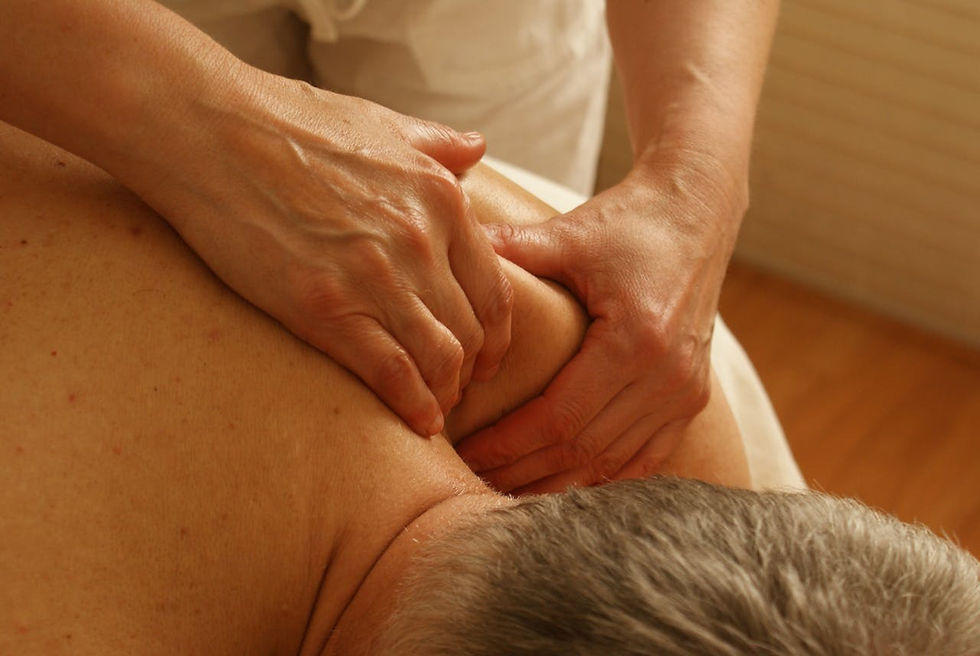
Reiki is a hands-on healing experience where the patient remains fully clothed and reclined on a massage table, while the practitioner lightly positions their hands on or just above the body. This alternative healing practice typically occurs in a silent, dimly lit room, enhancing the relaxing experience for both practitioner and client. Each Reiki treatment aims to induce deep relaxation and facilitate the body’s self-healing energy, making open dialogue between the practitioner and client essential for a personalized Reiki session.
Your First Session
Checklist For Preparation:
Wear loose, comfortable clothes to help you relax.
Avoid heavy meals or caffeine just before your appointment.
Arrive a few minutes early to settle in.
Come with questions or health concerns you would like to address.
Be open to the process, regardless of prior experience.
Clients are encouraged to bring up any questions or concerns prior to the session starting. This helps cover uncertainties and build trust. An open mind is important for the session because your expectations influence the experience.
In a session, you may experience a variety of physical and emotional sensations. Others feel warmth, tingling, or pulsing beneath the practitioner’s hands. Still others may experience light-headedness or a surge of energy. These responses are natural and can be quite diverse.
Feeling The Energy
Reiki sensations can be subtle or pronounced. Most experience warmth in certain regions, vibrations in the extremities, or subtle throbbing. These are perceived as manifestations of energy flow, believed to be the universal life force that the practitioner directs.
Not everyone experiences these impacts similarly. Others sense hardly anything physically but detail a mental change, be it clarity or tranquility. Try to remain centered on how you feel and not on what you anticipate.
Clients are invited to observe their responses and release the need to control or anticipate sensations.
After The Session
It’s what helps the session ‘stick’. Typical aftereffects are a sense of deep relaxation, a lighter mood, or even emotional release. Hydrating and napping post-session help the body process and heal.
Although scientific research on Reiki is still limited, regular treatments could help you stay on top of stress, calm, and emotionally balanced. For optimal benefit, Reiki should augment traditional treatments, particularly for severe conditions.
Beyond The Session
Reiki doesn’t always end with the session, offering tangible methods to help facilitate continued healing. For most, the rewards extend well beyond the treatment room, as Reiki integrates with everyday life and amplifies self-care rituals, synergizing with other holistic therapy options. Some people feel energized, while others experience deep relaxation or mental clarity, contributing to stress reduction. Since there isn’t much research on Reiki yet, it’s best to be mindful about utilizing it, particularly if you’re facing a serious health condition.
Self-Reiki Practice
Easy self-Reiki moves empower individuals to take charge of their healing journey. Resting the palms over the chest, head, or stomach for 10 to 15 minutes can promote stress reduction and cultivate tranquility. These Reiki treatments don’t have to be complicated, simply sitting in silence and breathing with your hands upon your heart or belly is often sufficient. Practicing self-Reiki in a quiet, special place enhances the experience, making it a true habit.
Consistency is crucial for effective energy therapy. Engaging in self-Reiki on a daily or weekly basis, even for just a few minutes, helps maintain emotional balance and alleviate stress. The health benefits of this practice tend to accrue, especially for those facing significant life changes or persistent worry. By integrating self-Reiki into their routine, individuals gain a personal tool for support between sessions.
Long-Term Balance
Regular Reiki treatments can assist in maintaining the balance of both mind and body. Frequent sessions can bolster emotional balance and ease chronic stress, making it an effective complementary therapy. It’s not a replacement for medical treatment, but many folks incorporate Reiki into a larger wellness regimen that includes physical exercise, good nutrition, and psychological care. This comprehensive healing approach can stave off burnout, particularly in intensive work or academic settings.
Reiki’s impact can be cumulative, with certain patients experiencing increased health benefits over a period of months. Comfort with the practitioner and a positive mindset can significantly affect how much benefit someone experiences. Although Reiki’s long-term effects are unknown, many people choose to make it one component of their self-care.
Spiritual Growth
For others, Reiki unlocks a road to self-knowledge and spiritual expansion. The quiet, contemplative nature of Reiki opens the door to introspection around your beliefs, values, and relationships. Others discover that routine practice enhances their spirituality or allows them to feel a greater sense of connection with those around them and the universe. Complementing spiritual exercise with Reiki, such as journaling or meditation, can amplify these impacts.
Reiki doesn’t tell you what to believe, but it can be a tool for introspection. As practitioners age in the practice, they might identify new practices to connect with themselves and their world.
Reiki And Modern Medicine
Reiki is increasingly recognized in modern medicine as a supportive tool, complementing conventional care rather than replacing it. Numerous hospitals and clinics have incorporated Reiki therapy into their treatment plans for patients. Research shows that when Reiki treatments are integrated with conventional treatment, they can significantly relieve stress, alleviate pain, and enhance overall quality of life. The medical community is starting to appreciate the health benefits of a cooperative approach, where Reiki works in concert with other therapies for optimum patient results.
Benefit | Description |
Stress Relief | Reduces emotional tension and anxiety, supporting mental health. |
Pain Reduction | Helps manage pain during and after medical procedures. |
Enhanced Comfort | Increases relaxation and overall comfort for patients in treatment. |
Improved Quality of Life | Boosts energy, mood, and outlook, shown in chronic and acute conditions. |
Better Patient Outcomes | Integrates with other therapies for comprehensive, patient-centered care. |
A Complementary Path
Reiki works with medicine to help patients relax. It functions best as a complementary approach, not an alternative to medical guidance. For instance, a chemotherapy patient might employ Reiki to address nausea, fatigue, and anxiety in conjunction with their primary treatment.
Studies indicate Reiki can reduce the side effects of traditional treatments. In a randomized controlled trial, patients who received Reiki experienced lower stress and anxiety than those who had a sham treatment. Another study observed a 15% rise in psychological quality of life following a week of daily Reiki.
It’s not just about physical care, it’s also about mental and emotional support. Reiki’s soft hand, non-invasive touch complements this philosophy, inviting patients to view healing as a harmony of body and spirit. Integrative care that combines Reiki with other treatments can assist in improving outcomes, especially for those struggling with chronic disease, cancer, or mental health issues.
Clinical Settings
Setting | Patient Feedback | Study Outcomes |
Hospitals | Many report feeling calmer and more relaxed | Reduced anxiety, improved pain management |
Cancer Clinics | Noted less fatigue and better sleep | Quality of life up by at least 8 sessions, 60 min+ |
Wellness Centers | Increased sense of well-being | Acute 20-min sessions also showed some benefits |
In hospitals and clinics, patients seem to have good things to say about Reiki. Most report that it makes them feel more calm and less anxious, particularly during stressful treatments. Research supports this with findings of decreased pain and improved emotional wellbeing post-Reiki.
Reiki helps patients get through difficult health journeys, offering a point of solace in the midst of the unknown. Both research and experienced practitioners indicate it has value for those dealing with chronic illness or post-illness recuperation.
Scientific Views
Research is emerging that Reiki’s benefits extend past first impressions of skepticism. In clinical trials, Reiki reduces stress and relieves fatigue and can aid in anxiety. It found significant quality of life improvements in those who underwent regular, longer Reiki sessions. Some benefit is seen from short, acute interventions.
While the medical establishment is beginning to look at Reiki as a legitimate, if nascent, healing art. Studies are mixed, meaning they don’t always show the same results. Continued rigorous study is needed to figure out when and how Reiki works best and for whom.
Is Reiki For You?
Reiki, a Japanese energy healing practice developed by Mikao Usui, has emerged as an alternative healing practice for practitioners worldwide. While it isn’t a medical panacea, Reiki can offer significant health benefits as a complementary therapy for emotional and physical health. Different people turn to Reiki for various reasons, from stress reduction to compassionate consolation during health challenges. Its accessibility allows anyone to engage in Reiki training and practice, regardless of background or spiritual affiliation.
Who Experiences Change
Those suffering from chronic ailments like fibromyalgia or diabetic neuropathy
Those experiencing ongoing pain or fatigue
People facing emotional distress, anxiety, or trauma recovery
Anyone seeking stress relief or improved relaxation
Children, adults, and elderly from all backgrounds
Studies reveal that Reiki therapy may assist the body in entering a relaxed state, providing significant health benefits. Certain research points to pain alleviation for issues such as fibromyalgia or diabetic neuropathy, although not all findings are in harmony. Numerous hospitals and cancer centers have incorporated Reiki treatments into their rosters, noting its beneficial impact on stress reduction and comfort levels among their patients. Reiki is available to individuals of all ages, cultures, or beliefs. It has been said to aid patients suffering from emotional trauma or chronic stress who simply need a moment of calm and human connection. The practice is not a replacement for medical treatment, it is optimal as a supplement, particularly for people with chronic health challenges.
Setting Intentions
Bringing an intention to a Reiki session can provide focus and direction to the experience. For instance, an individual may desire to reduce stress or enhance restfulness. By articulating what they hope to receive, clients can enhance their feeling of engagement and precision. You need to remain open to whatever healing may take place, because it varies from individual to individual.
Intentions provide a direction and an opportunity for students to take responsibility for their own development. This habit can fuel a sense of empowerment as patients observe shifts in how they handle stress or regulate emotions across sessions.
Finding A Practitioner
Check their credentials and seek certifications from reputable Reiki organizations.
Consult reviews or get a referral from a trusted friend or health professional.
Ask about their experience with your specific concerns
Ensure you feel comfortable and respected during initial contact
The talent and attitude of the Reiki therapist count significantly. If you do have a chronic medical condition, seek someone with demonstrated experience in alternative healing practices. Safety and confidence are essential, so select a practitioner who pays attention and responds to your needs. If you have ongoing health challenges, always consult your healthcare professional before beginning Reiki treatments.
Final Remarks
Reiki provides a tender lift to heal emotions and the body. Most people experience greater calm, less tension, and more balance, even after a single session. Reiki helps to alleviate pain, improve mood, and induce more restful sleep. At The Sanctuary Pleasant Hill LLC, Reiki is employed alongside other care for a more complete healing regimen. It can support recovery from trauma, stress, grief, or a long illness, or simply help maintain daily well-being. Reiki suits many needs, and you don’t require any prior experience to begin. Curious or want to try a session for yourself? Connect with The Sanctuary Pleasant Hill LLC and experience it firsthand. Healing can begin, one step at a time.
Frequently Asked Questions
1. How Does Reiki Support Emotional Healing?
Reiki therapy reduces stress and induces calm, with many folks experiencing emotional blockages alleviated and feeling more grounded after Reiki treatments.
2. Can Reiki Help With Physical Pain?
Others feel relief from physical discomfort or tension after Reiki treatments. This alternative healing practice is a complementary approach and not a replacement for medical care.
3. Is Reiki Safe For Everyone?
Reiki therapy is safe due to its non-invasive and gentle nature, making it an effective alternative healing practice suitable for nearly everyone.
4. How Long Does A Typical Reiki Session Last?
A typical Reiki treatment lasts 45 to 60 minutes, with the length of sessions varying based on the skilled Reiki practitioner and the individual needs of the client.
5. Do I Need To Believe In Reiki For It To Work?
No particular belief is necessary for Reiki therapy. Reiki can aid anyone, as it promotes relaxation and wellbeing through energy therapy.
Experience Mind-Body Therapies That Support Whole-Self Healing
At The Sanctuary Holistic Healing Center in Pleasant Hill, we offer mind-body therapies that help you relax, release emotional and physical stress, and support deeper healing. These services are designed to create harmony between your mind, body, and energy so every session leaves you feeling more grounded and renewed.
Kristine and her team use a blend of holistic approaches, including Reiki, guided breathwork, meditation, and energy balancing. These practices calm the nervous system, ease tension, and help clear emotional blocks that may be affecting your overall well-being. Whether you’re navigating stress, recovering from burnout, or wanting to strengthen your emotional resilience, your session will be tailored to your personal goals.
Located in the heart of Contra Costa County, The Sanctuary offers a warm and supportive environment where you can slow down and reconnect with yourself. Each session is designed to bring clarity, peace, and a deeper sense of balance.
Your healing journey is unique, and your care should reflect that. Experience the difference that mind-body therapies can make. Book a session with The Sanctuary Holistic Healing Center and start feeling more aligned from the inside out.


Comments